
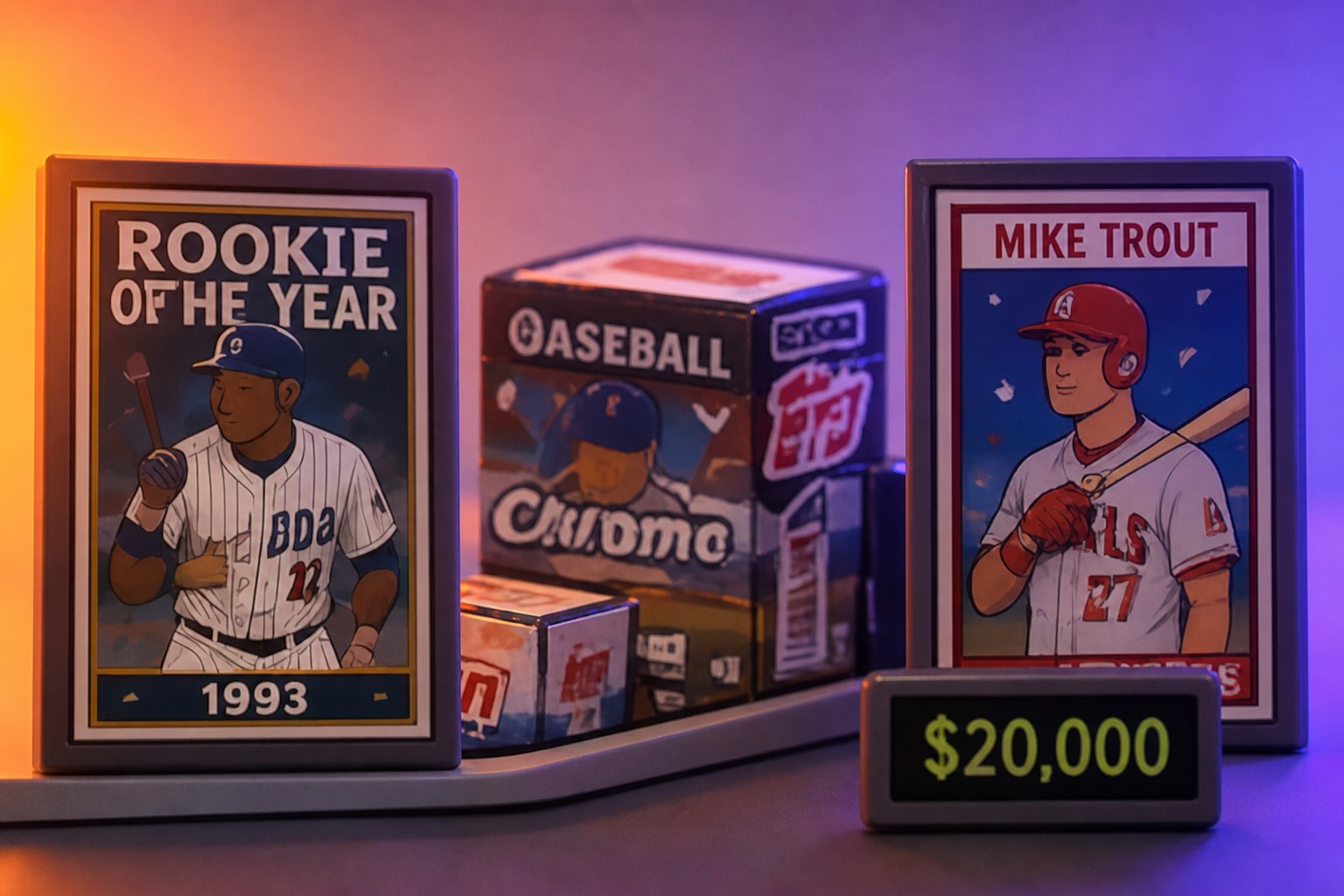
The Toronto Blue Jays' account posted a short cartoon made as an advertising partnership with Nestea, the Nestlé drink, in the visual register of adult animated series like BoJack Horseman and Family Guy. It carries the familiar tells of hurried generative AI: hands drawn wrong and tangled together, lettering that resolves into nothing. A community note attached to the post listed them — garbled text on boxes of baseball cards, a player with three arms on a rookie poster — and pointed out that those details contradict the claim that a real animator made the clip. The team's response was to repeat the claim.
The exchange that followed is the part worth keeping. A fan called the clip bad and asked whether Rogers, which owns the Blue Jays, could not afford real animation. The team's official account replied that the comment was bad too, but that the clip really was made by a real animator.
That refusal to concede is what annoyed people more than the animation did. In the replies, users said this was not merely AI-generated work with mistakes in it but a painfully obvious instance of the genre, one that could not be passed off as a human's. Others told the team to do better and noted how many talented animators were available to hire. Some guessed the team had overpaid whoever produced the video, arguing that the background details in particular give it away.
The commercial backdrop makes the denial stranger. Animation is under direct pressure from generative AI, with entertainment executives arguing the technology lets fewer people do more in less time, and critics answering that the real motive is cutting costs and shipping worse material. Marketing departments have been reaching for text-to-video generators on the same logic. The shortcut usually looks ideas-free, its errors are easy to spot, and against the current level of resentment toward generative AI in creative work, it earns a brand more negative attention than positive.
There is now evidence that the sign flips the other way too. As 404 Media reported, small businesses have started hand-painting their own advertising signage and publicly promising not to use AI — and picked up a noticeable surge of attention for it. Handmade, advertised as such, has become an asset — the opposite of the efficiency case the executives are making.
The cheap mistake here was the cartoon. The expensive one was the reply. A bad ad from a sports team is a one-day joke; a brand account arguing with a community note about what its own audience can plainly see turns into a question about everything else that account says. The Blue Jays also managed to make the labour argument on their critics' behalf: by insisting the work was human, they conceded that human work is what the audience expects to be paying for.
Which leaves the thing nobody in the exchange settles: what "a real animator" is supposed to mean. A person who ran generative tools and cleaned up the output would satisfy the letter of the claim, and nothing the team has said rules that out. No animator has been named. Nor, in any of this, does Nestlé — whose drink the ad exists to sell — say anything at all; the defending is being done by the baseball team.
The ground under everyone involved is unstable in both directions. The creator of the claymation series Wallace and Gromit recently said he would start "embracing" AI. Jorge Gutierrez, the Emmy-winning director and writer, announced a collaboration with Amazon under its GenAI fund for creators and then abandoned the deal entirely after the reaction to it.
The lesson brands keep having to relearn is that generative AI in consumer marketing no longer fails quietly. It fails in public, with a timestamped receipt, and the cost is not the production budget — it is whatever the account was saying before anyone had a reason to check.